When Does a Hernia Become an Emergency That Needs Immediate Surgery?
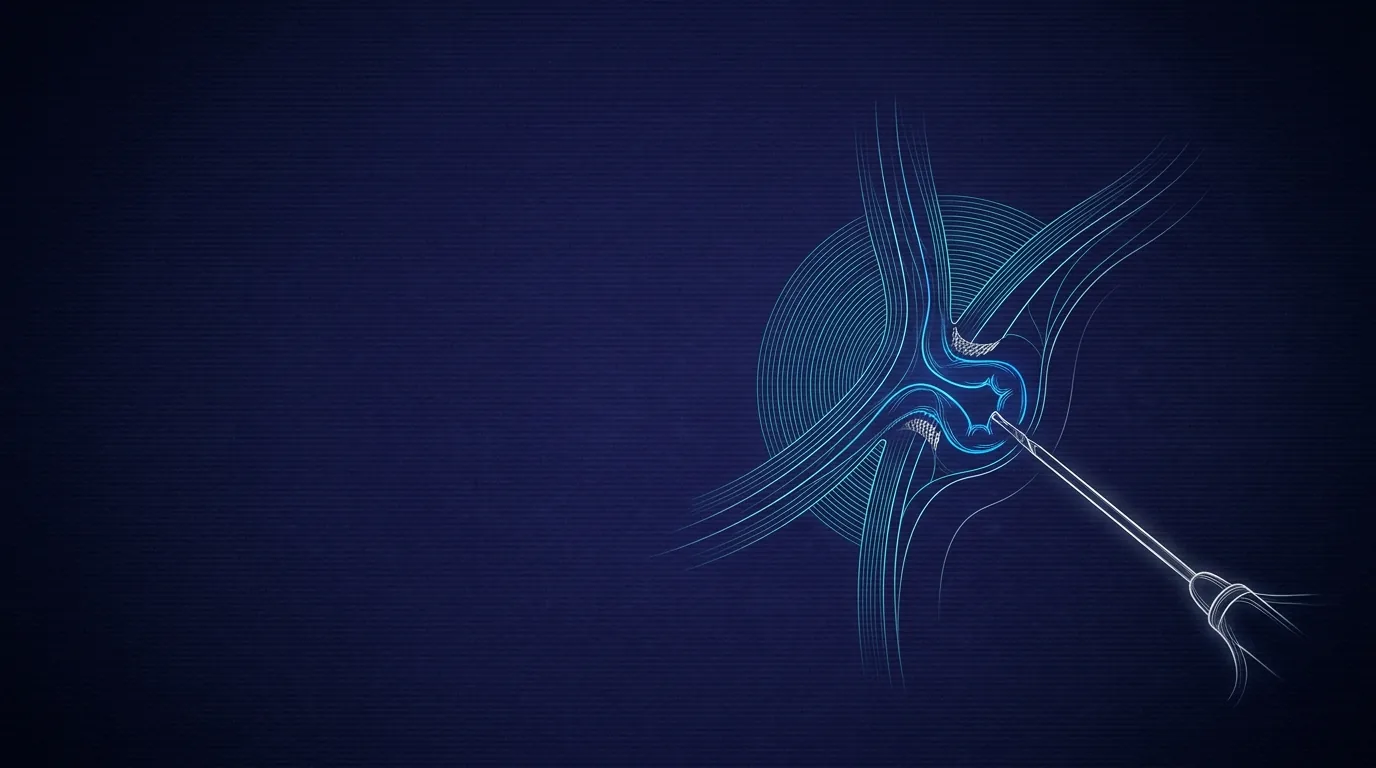
A hernia becomes an emergency when its contents can no longer be pushed back (incarceration) or when the blood supply to the trapped tissue is cut off (strangulation). Sudden severe pain, a hard tender bulge, vomiting, or skin that turns red or dark require immediate assessment in the emergency room.
What makes a hernia dangerous in the first place?
What is an incarcerated hernia, and why does it matter?
What are the warning signs of strangulation?
- A bulge that has suddenly become hard, very tender, and impossible to push back.
- Severe and continuous pain at the site of the hernia, out of proportion to any effort.
- Nausea and vomiting, or the inability to pass gas or have a bowel movement.
- Skin over the bulge that turns red, purple, bluish, or dark.
- Fever, a racing heart, or a general sense of feeling unwell.
What should be done when these signs appear?
Which hernias are more likely to become emergencies?

Can an emergency be prevented by operating earlier?

Frequently asked questions
How quickly can a strangulated hernia cause serious damage?
Once blood supply to the trapped tissue is cut off, bowel can begin to suffer within a few hours, though the exact time varies from person to person. Because the window is short and unpredictable, waiting is not advisable. When the warning signs of strangulation appear together, immediate assessment in the emergency room is the safe course rather than observing the bulge at home.
Is it safe to push a painful hernia back in myself?
A single gentle attempt while lying down is reasonable for a soft, reducible bulge. Once the hernia is hard, very tender, and will not go back, forceful pushing is not advisable. Aggressive reduction can return damaged bowel into the abdomen, masking the problem and potentially causing harm. In that situation the right step is emergency evaluation, not repeated pressure.
Can a small hernia be more dangerous than a large one?
Yes, it can. The risk of strangulation depends largely on the width of the opening rather than the size of the visible bulge. A small, narrow, rigid neck traps content and chokes its blood supply more easily than a wide one. Femoral hernias are a typical example: small but with a notable tendency to strangulate, so they often warrant earlier attention.
Does a diastasis of the rectus muscles ever become an emergency?
No. A diastasis is a widening and thinning of the Linea Alba between the rectus muscles, not a defect through which bowel protrudes, so it cannot strangulate. It may cause a bulge, discomfort, or a sense of weakness, but not the acute emergency seen with true hernias. A true hernia can coexist with diastasis, however, and that hernia follows the usual rules.
What will the emergency room do to decide if surgery is needed?
The surgeon examines the bulge by hand and usually adds imaging, most often ultrasound or a CT scan, to see whether a bowel loop is trapped and whether it shows signs of suffering. Blood tests help assess the general picture. The decision to operate immediately rests on all these findings together, judged case by case, rather than on any single result.