Mesh in Incisional Hernia Repair: Materials and Placement Planes
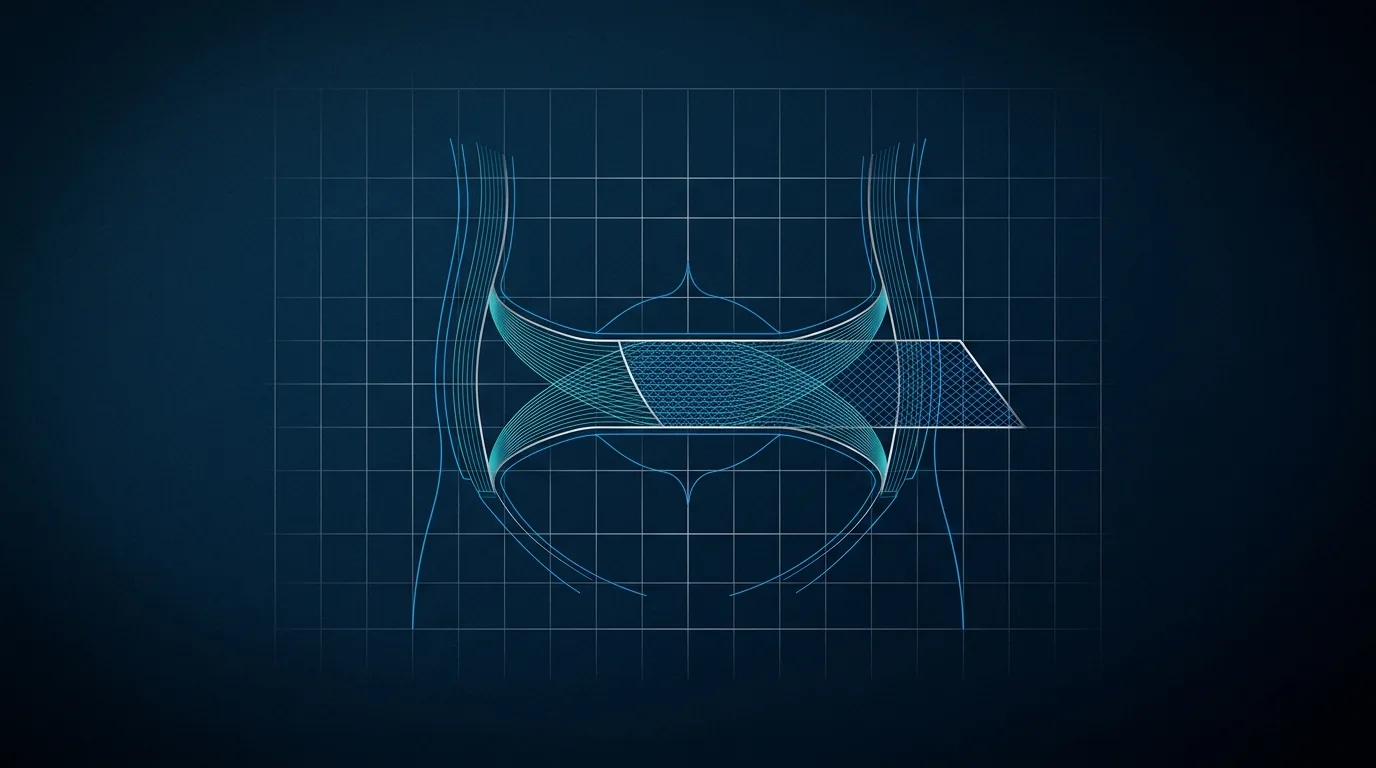
An incisional hernia is repaired with a mesh that reinforces the weakened abdominal wall. Synthetic polypropylene or polyester meshes are most common; coated or biological meshes are reserved for selected cases. The mesh can be placed above the muscle (onlay), behind it (sublay) or inside the abdomen (IPOM), chosen case by case.

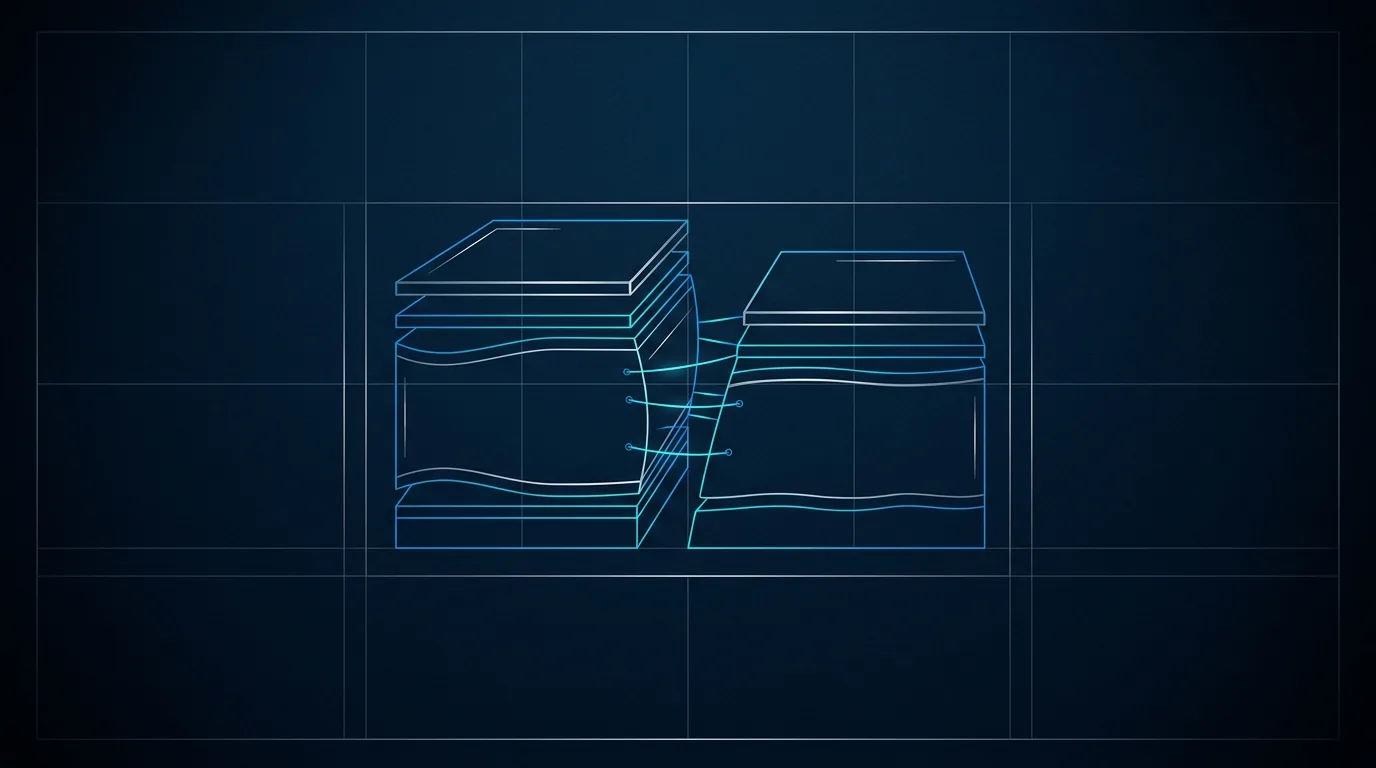
Why is a mesh needed at all?
What materials are the meshes made of?
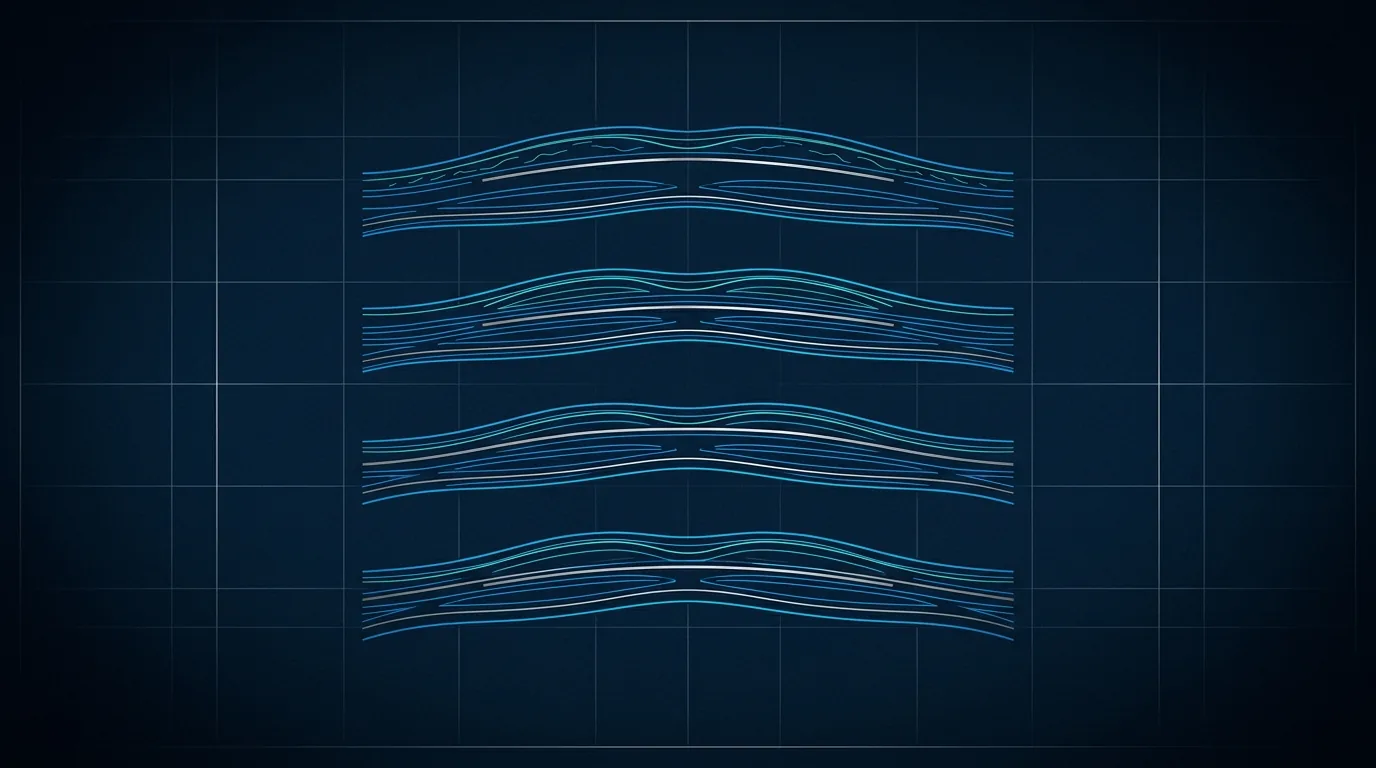
- Polypropylene: strong, well-studied, the most widely used permanent material.
- Polyester: permanent, soft, pliable, with good tissue integration.
- Composite meshes: one adhesion-resistant face, intended for intra-abdominal placement.
- Biological and absorbable meshes: for contaminated fields or selected patients, with less certain long-term results.
Where is the mesh placed? The three main planes
Onlay: above the muscle
Sublay: behind the muscle
IPOM: inside the abdomen
How is the right combination chosen?
- Size and width of the defect, and whether abdominal domain is lost.
- Open versus minimally invasive access.
- Clean, contaminated or infected surgical field.
- General health: obesity, diabetes, smoking, prior abdominal surgery.
- Number and nature of previous repairs.
What can realistically be expected?
Frequently asked questions
Does the mesh stay in the body forever?
Most meshes used for incisional hernia are permanent synthetic materials, designed to remain in the body indefinitely and become incorporated by the patient's own tissue. Absorbable and biological meshes dissolve or remodel over time and are reserved for selected cases, such as contaminated fields. Which type is appropriate depends on the surgical situation and is decided before the operation.
Is the sublay plane always better than onlay or IPOM?
The retromuscular sublay plane is generally regarded as the most durable and best tolerated, with lower recurrence in comparative studies. It is not, however, suitable or reachable in every case. The plane is chosen according to the defect size, the access used and the patient's condition, so a different plane may be the more sensible option in a specific situation.
Can an incisional hernia be repaired without any mesh?
Suture repair without mesh is technically possible but carries a markedly higher recurrence rate, often reported above thirty percent in long-term studies for defects of meaningful size. Mesh reinforcement has become the standard precisely because the tissue that failed once tends to fail again. Suture-only repair may still be considered for very small defects or when a mesh is contraindicated.
Why is a special mesh needed for laparoscopic IPOM repair?
In IPOM the mesh is placed inside the abdomen, in direct contact with the bowel. A bare polypropylene net in that position can cause adhesions or, rarely, erode into the intestine. A composite mesh is therefore used, with one adhesion-resistant coated face toward the viscera and a standard face toward the wall, reducing the risk of these complications.
How long does recovery take after mesh repair?
Recovery depends on the plane and the type of access. Minimally invasive repairs often allow an earlier return to light activity, while larger reconstructive operations usually require a longer convalescence spread over several weeks. Healing varies between individuals, so a precise timetable cannot be promised; the expected course should be discussed case by case before surgery.