Strangulated Incisional Hernia: How to Recognize It and Why It Is an Emergency
A strangulated incisional hernia occurs when tissue trapped in the defect loses its blood supply. It presents with a hard, painful, irreducible bulge, often with nausea, vomiting, and skin discoloration. It is a surgical emergency: delay beyond a few hours risks bowel death and peritonitis.
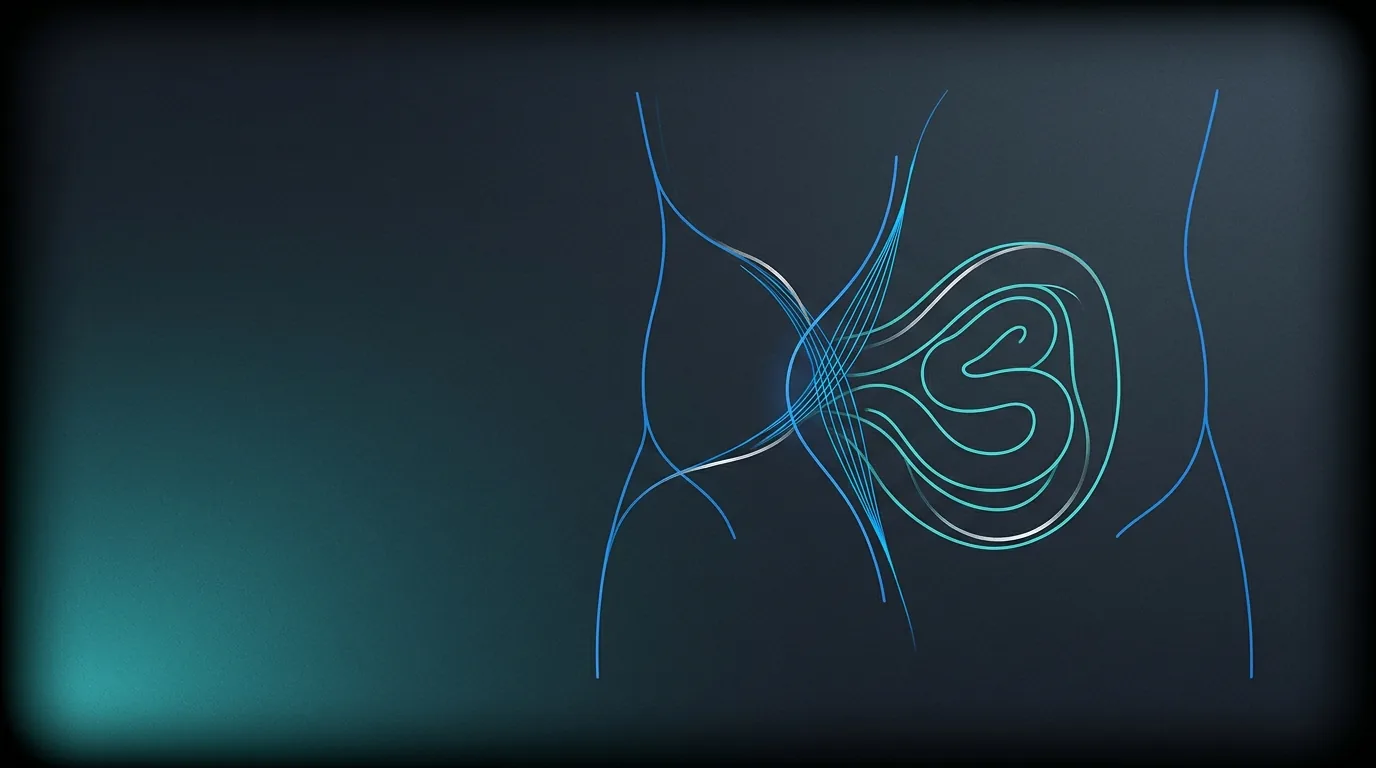
What does strangulation mean in an incisional hernia?

How is a strangulated incisional hernia recognized?
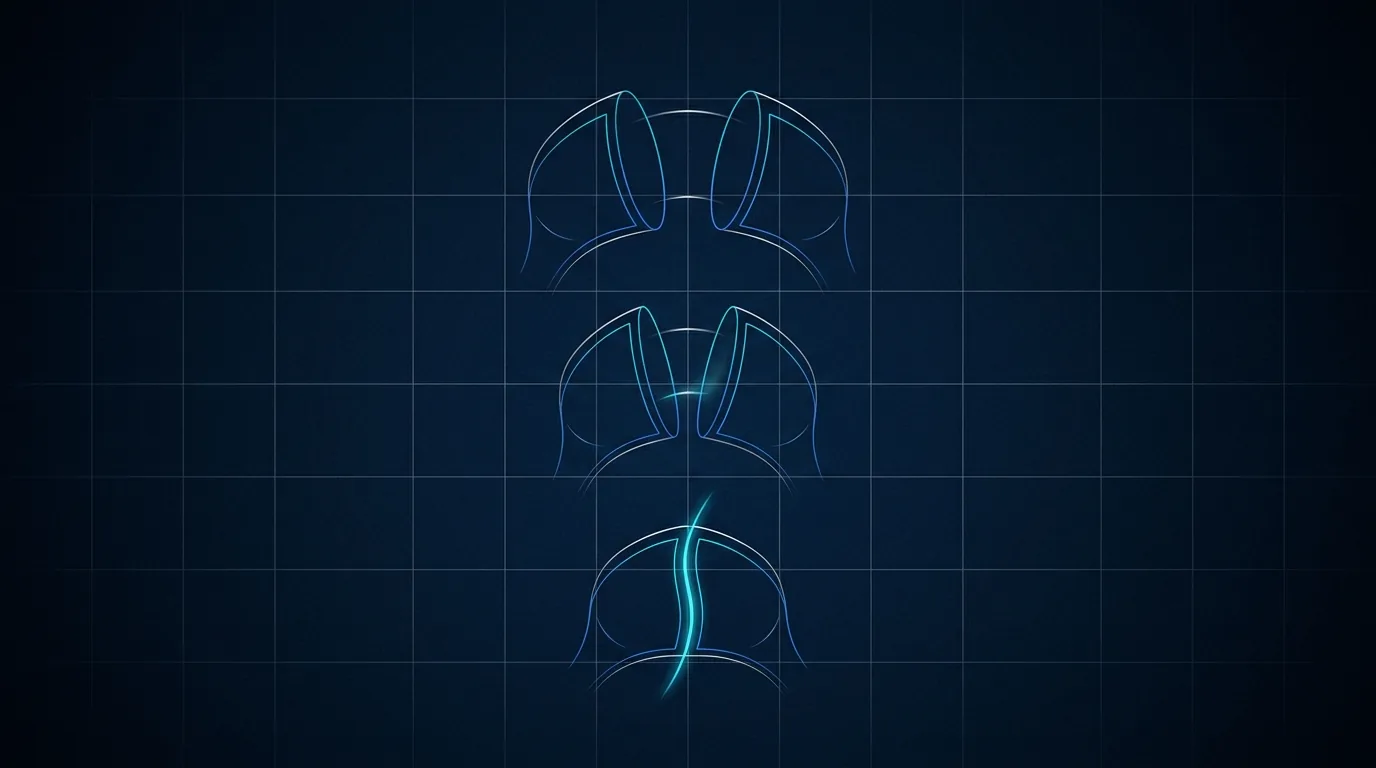
- A hernia bulge that becomes hard, tense, and cannot be pushed back
- Severe, constant pain localized to the swelling
- Nausea, vomiting, and abdominal bloating from bowel involvement
- Skin over the hernia turning red, dark, or bluish
- Fever, rapid heartbeat, or feeling acutely unwell
Why is it a surgical emergency and not a problem that can wait?
How quickly must surgery be performed?
Incarceration versus strangulation: a distinction that matters
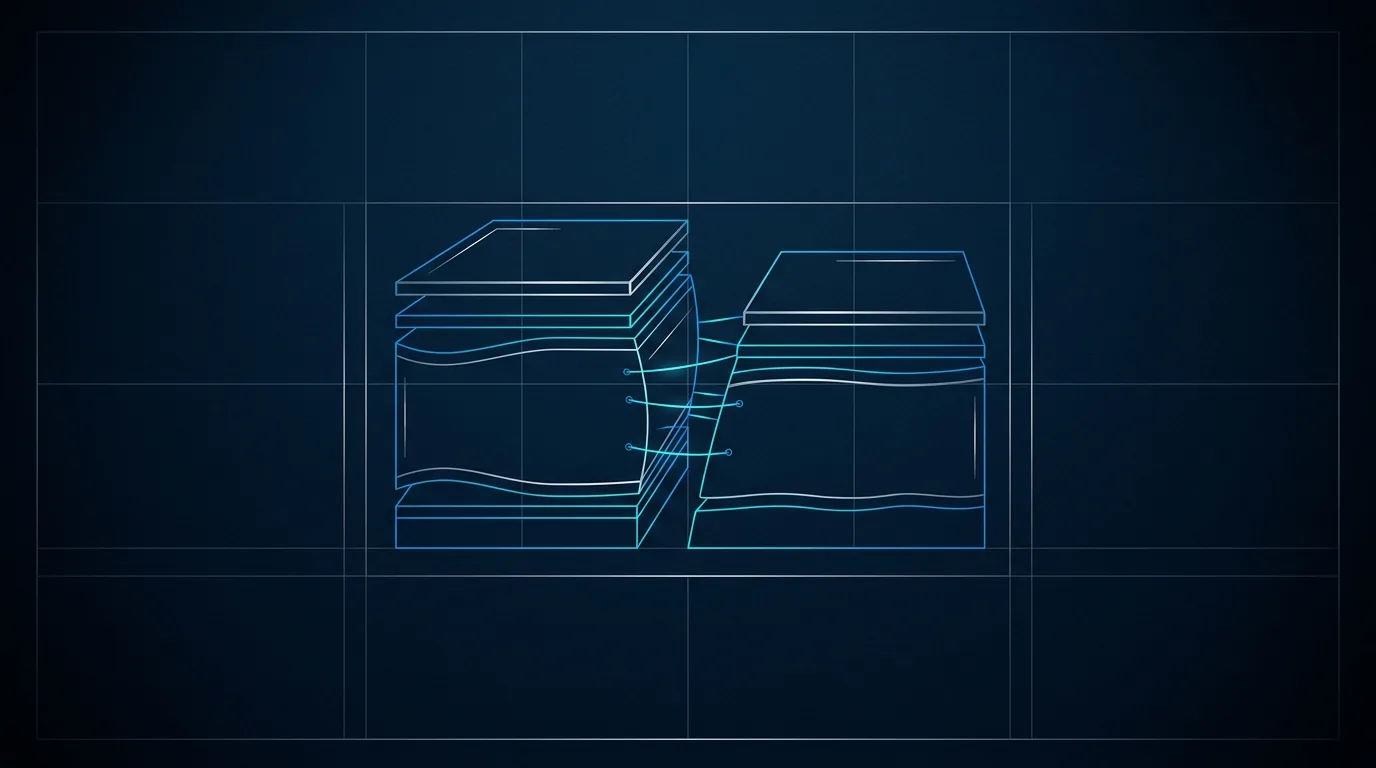
What should be done, and what should be avoided?
Who is more exposed to this complication?
Frequently asked questions
Can a strangulated incisional hernia resolve on its own?
No. Once the blood supply to the trapped tissue is cut off, the situation does not reverse spontaneously and tends to worsen as the hours pass. Waiting for it to settle at home allows the bowel to deteriorate. The condition requires urgent surgical assessment, and in most cases an operation, to restore blood flow or remove dead tissue before complications develop.
How is strangulation different from an incarcerated hernia?
An incarcerated hernia is stuck and cannot be pushed back, but the trapped tissue still has its blood supply. A strangulated hernia has lost that blood supply, so the tissue begins to die. Incarceration can progress to strangulation, sometimes within hours, which is why any newly irreducible, painful hernia should be evaluated promptly rather than observed at home.
What happens if surgery is delayed?
Delay increases the likelihood that the trapped bowel becomes irreversibly damaged. When that occurs, the surgeon must remove the dead segment and rejoin healthy ends, a larger operation with longer recovery and higher risk. Delay also raises the chance of perforation and peritonitis, the spread of infection in the abdomen, which can be life-threatening, particularly in frail Patients.
Should the bulge be pushed back in before reaching the hospital?
Forcing a hard, painful, irreducible hernia back is not advisable. If the trapped bowel is already compromised, pushing it inside can return dead tissue into the abdominal cavity while hiding the warning signs. Any attempt at reduction belongs to trained clinicians who can judge whether the tissue is still viable. The safer action is prompt transfer to an emergency department.
Can a strangulated hernia be repaired with a minimally invasive technique?
It depends on the findings at the time. In early cases, with viable bowel and limited contamination, a tailored repair may be feasible. When bowel is necrotic or the field is contaminated, the priority shifts to resolving the emergency safely, and mesh placement may be reconsidered. The approach is decided case by case by the operating team, based on what is found.